
Social Emotional Learning
Social-Emotional Learning (SEL) is “a process of understanding emotions, managing emotions successfully, demonstrating empathy toward others, creating and sustaining positive relationships, and acting responsibly in all settings” (CASEL).
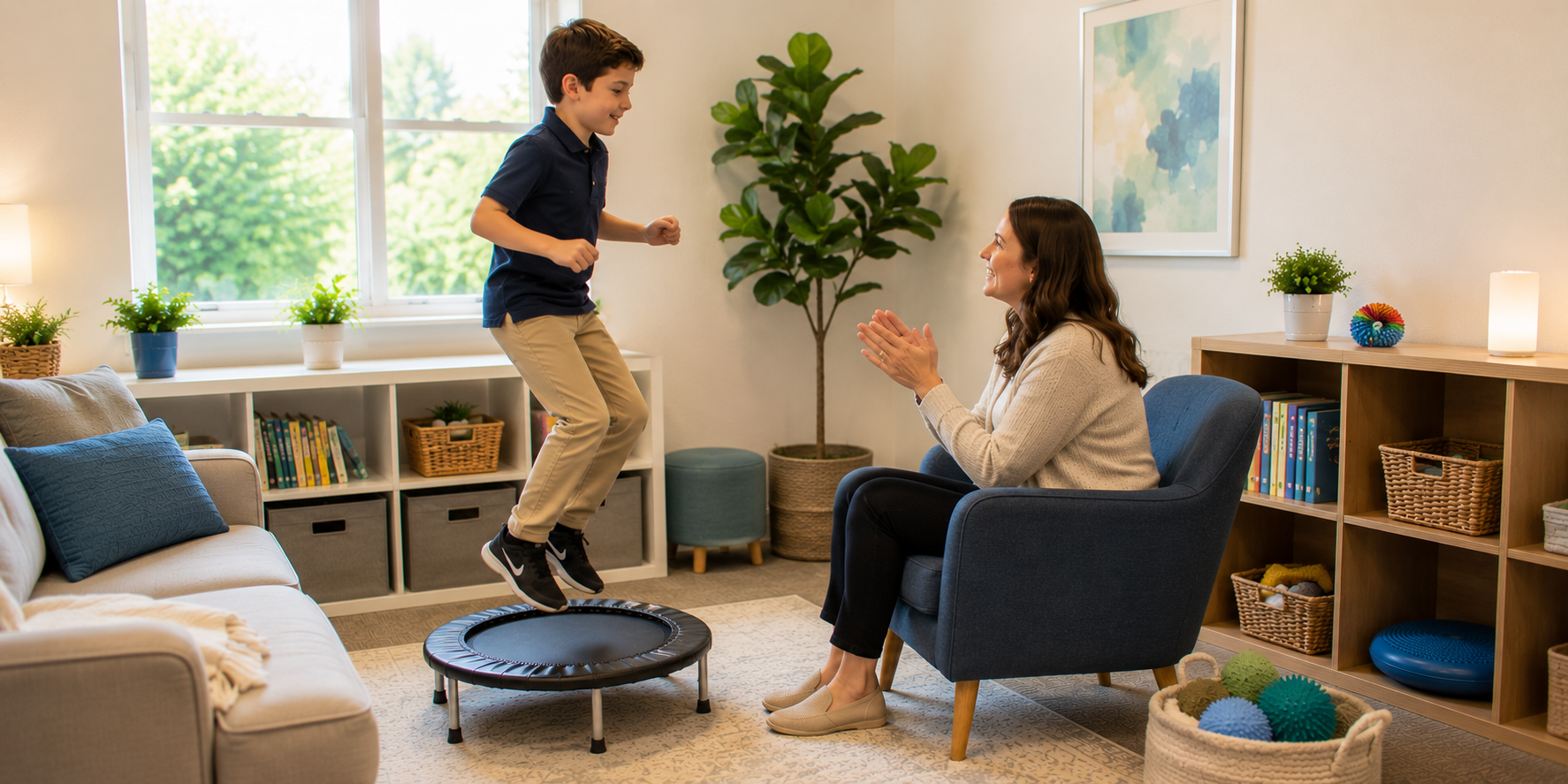
At Center School, Social‑Emotional Learning is an intentional and embedded part of the student experience. SEL supports students in building the skills they need to understand themselves, connect authentically with others, navigate challenges with confidence, and make thoughtful decisions, both in and out of the classroom.
SEL at Center School is grounded in evidence‑based frameworks that help students grow in core competencies, including self-advocacy, self‑awareness, self‑management, social awareness, relationship skills, and responsible decision‑making. These skills are essential for academic success, personal resilience, and positive community engagement.
|
|

Why SEL Matters at Center School
Our SEL philosophy is based on the belief that addressing the whole child results in confident, successful, and independent learners. SEL helps students develop the self‑knowledge and interpersonal confidence to advocate for themselves, engage fully in learning, and contribute positively to the school community. These competencies are foundational to academic growth and to thriving in a complex, changing world.
_________________________________________________
Our Approach
Rather than a standalone program, SEL is woven into everyday life on campus. Through purposeful collaboration among teachers, counselors, and our SEL specialists, students have access to a range of learning experiences from guided whole‑class lessons to individualized support and small‑group learning opportunities. This ensures that students receive the right level of challenge and support to build confidence and competence, leading to academic success.
 |
Developmentally appropriate SEL lessons help students name and manage emotions, build resilience and curiosity, and strengthen communication and problem‑solving skills over time. Such lessons focus on practicing mindfulness, developing a growth mindset, and increasing executive function skills.
|
|
The SEL Office partners with classroom teachers to support students in applying skills to real situations, from collaborating with peers to handling transitions and setbacks. This includes the process of demystification, by which students begin to notice, understand, and appreciate their strengths as well as their challenges, thereby wanting to use appropriate strategies.
|
 |
 |
Students engage in reflection, dialogue, and strategy use throughout their school day, not just in a single setting. Skills become lifelong practical tools.
.
|
_________________________________________________


